
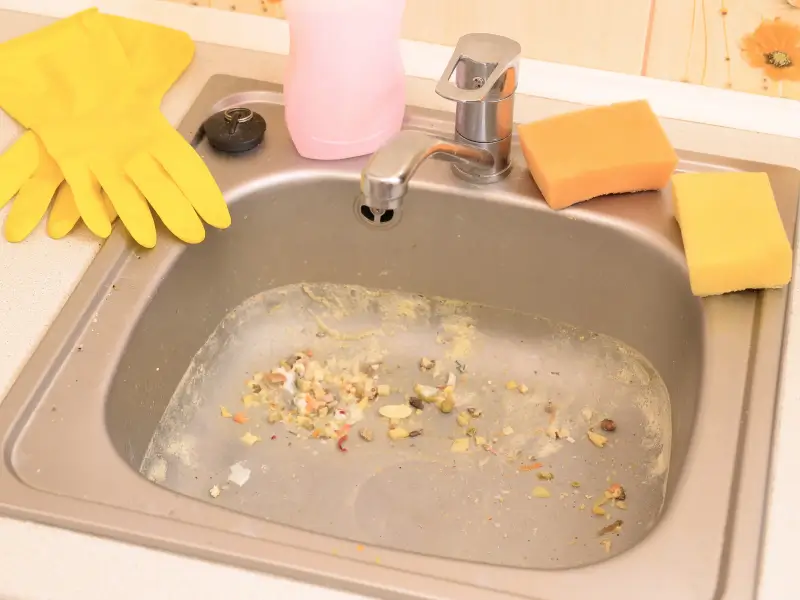
Treating Grease and Cooking Oils as Disposable
One of the most common and damaging practices homeowners in Macon undertake is pouring grease, fats, and cooking oils down their kitchen drains. When liquid grease enters your plumbing system at room temperature, it seems harmless. However, as it travels through your pipes and cools, it solidifies into a waxy coating that adheres to pipe walls. Over time, this buildup narrows the interior diameter of your plumbing, restricting water flow and creating ideal conditions for other debris to catch and accumulate.
In Bibb County and the surrounding areas, where many older homes still have original cast-iron or galvanized steel plumbing, this problem becomes particularly severe. These pipe materials already experience natural corrosion and roughness inside, which gives grease an even better surface to cling to. A single year of regular grease disposal can reduce a pipe’s effective diameter by more than half, leading to slow drains, persistent clogs, and eventually complete blockages that require professional plumbing repair service.
The proper method is straightforward: allow grease and oils to cool in a disposable container, then discard it with your regular trash. For small amounts left in pans after cooking, wipe the surface with paper towels before washing. If you frequently cook with oils and notice your kitchen sink draining more slowly than before, schedule a drain cleaning service before a minor inconvenience becomes a costly emergency requiring sewer line cleaning or pipe replacement.
Ignoring the Cold Water Rule During Operation
Many homeowners make the mistake of running hot water while operating their garbage disposal, believing it helps flush waste more effectively. In reality, this practice causes significant damage to your plumbing system. Hot water liquefies fats and grease present in food waste, allowing them to flow past the disposal unit and into your drain pipes. Once this mixture travels deeper into your plumbing system and the water cools, those fats re-solidify, creating stubborn blockages that standard plunging cannot resolve.
The correct procedure requires running cold water before you turn on the disposal, continuing throughout the grinding process, and maintaining flow for at least fifteen seconds after you turn the unit off. Cold water serves multiple critical functions: it keeps fats in solid form so they can be chopped into small pieces and flushed completely through your plumbing system, it helps cool the disposal motor during operation to prevent overheating, and it creates sufficient water pressure to carry ground particles through your pipes without settling.
During Macon’s humid summer months, when temperatures regularly exceed ninety degrees, your cold water may not be as cold as during winter months. Even so, it remains significantly cooler than hot water from your heater and provides the necessary temperature differential to keep fats solid. If you have been using hot water and notice your drains responding more slowly, a professional plumbing repair service can assess whether buildup has already begun and recommend appropriate drain cleaning solutions before the problem escalates.
Processing Fibrous and Expandable Foods
Certain food items should never enter your garbage disposal, regardless of how powerful your unit may be. Fibrous vegetables such as celery, asparagus, corn husks, and artichoke leaves contain long, stringy fibers that wrap around the disposal’s grinding components, creating tangles that jam the motor and prevent proper operation. Similarly, expandable foods like pasta, rice, and oatmeal absorb water and swell inside your pipes, forming dense masses that completely block drainage.
In Peach County and Houston County, where residential septic systems remain common in rural areas, these mistakes carry even higher consequences. A clogged drain line can cause backflow into your home or overflow into your yard, potentially contaminating your property and requiring emergency sewer repair. Even homes connected to municipal systems face expensive repairs when fibrous materials travel past the disposal and lodge in the P-trap or further downstream in your plumbing.
The grinding mechanism in your disposal uses centrifugal force to push food against a stationary grind ring, breaking it into small particles. Fibrous materials resist this grinding action and instead wrap around the rotating impellers, creating resistance that eventually burns out the motor. Expandable foods may pass through the disposal initially but absorb water as they sit in your pipes, gradually swelling until they create a complete obstruction. Potato peels present a unique problem because they release starch that combines with water to form a glue-like paste, coating pipe interiors and trapping other debris.
Compost these materials instead, or dispose of them in your regular trash. If your disposal has already jammed from fibrous materials, do not continue running the motor, as this generates excessive heat that can permanently damage the unit. Professional garbage disposal repair can address mechanical jams and assess whether your drain lines have sustained damage requiring additional plumbing repair service.
Overloading the Disposal with Large Quantities
After preparing large meals or hosting gatherings, the temptation to clear all food waste at once by cramming it into your disposal proves difficult to resist. This practice, however, places excessive strain on both the disposal motor and your plumbing system. When you overload the grinding chamber, the motor must work significantly harder to process the volume, generating excessive heat that shortens the unit’s lifespan and can trigger thermal overload protection that shuts the system down.
Even if the disposal successfully grinds a large volume of food, your drain pipes cannot handle the sudden influx of solid particles. The water flow becomes insufficient to carry all the ground material through your plumbing, causing particles to settle in low points of your drain line, accumulate at pipe bends, or create partial blockages that worsen with each use. In Jones County and Monroe County, where many homes feature longer drain runs to reach septic systems or municipal connections, this settling effect becomes even more pronounced.
The proper approach requires feeding food waste gradually into the disposal in small batches, allowing the unit to completely grind each portion before adding more. Run cold water continuously at full pressure to ensure adequate flow for carrying particles through your system. A good rule involves processing no more than one cup of food waste at a time, waiting until you hear the grinding sound change from labored to smooth before introducing the next batch.
If you regularly prepare large meals and generate substantial food waste, consider alternative disposal methods for bulk items rather than relying exclusively on your unit. A small compost container under your sink can capture vegetable trimmings and other compostable materials, reducing the load on your disposal while creating nutrient-rich material for gardens. When your disposal begins showing signs of strain such as slower grinding, unusual noises, or frequent resets of the overload switch, schedule a professional inspection to prevent a complete failure that leaves you without a functioning unit.
Neglecting Regular Cleaning and Maintenance
The final mistake homeowners make involves treating their garbage disposal as a maintenance-free appliance. Without regular cleaning, food particles, grease residue, and bacterial growth accumulate inside the unit and on the underside of the rubber splash guard, creating persistent odors and reducing grinding efficiency. The moist, dark environment inside your disposal provides ideal conditions for bacteria to multiply, producing unpleasant smells that permeate your kitchen and indicate declining sanitation.
Over time, buildup on the grinding components reduces their effectiveness, forcing the motor to work harder to achieve the same results. This increased workload accelerates wear on mechanical parts and increases the likelihood of premature failure. In Twiggs County and other areas of central Georgia where hard water remains prevalent, mineral deposits can also accumulate on disposal components, further reducing performance and creating additional resistance for the motor to overcome.
Establish a simple monthly cleaning routine to maintain optimal performance and extend your disposal’s lifespan. Start by running cold water and turning on the disposal, then drop several ice cubes into the unit while it runs. The ice helps scrape away buildup from the grinding components and the interior walls of the grinding chamber. Follow this with half a cup of baking soda, allow it to sit for several minutes, then flush with cold water while running the disposal. For persistent odors, grind citrus peels such as lemon or orange, which naturally deodorize while the fruit’s acidity helps break down grease residue.
Every six months, inspect the rubber splash guard by lifting the flaps and checking for accumulated debris or slime on the underside. Clean this area with an old toothbrush and soapy water, as this component often harbors the bacteria responsible for foul odors. Additionally, check under your sink for any signs of leaks around the disposal mounting assembly or discharge pipe connections, as even small drips can cause water damage to cabinetry and flooring over time.
If you notice persistent odors despite regular cleaning, reduced grinding performance, water leaking from the unit, or unusual noises during operation, these symptoms indicate problems that require professional attention. A qualified plumbing repair service can disassemble the unit for thorough cleaning, replace worn seals and gaskets, or recommend disposal replacement if internal components have deteriorated beyond economical repair. Regular maintenance combined with professional inspections when problems arise will protect your plumbing investment and prevent the costly pipe damage that results from these five common garbage disposal mistakes.
